Insights

The half-lit pitch

The state of lighting in outdoor sports broadcasts — and what real-time AI actually changes.

By Andreas Lännerberg, LivePictureAI~6 min read

Every stadium sport played outdoors shares one production problem no gaffer can solve: the key light is the sun, and nobody controls the sun.

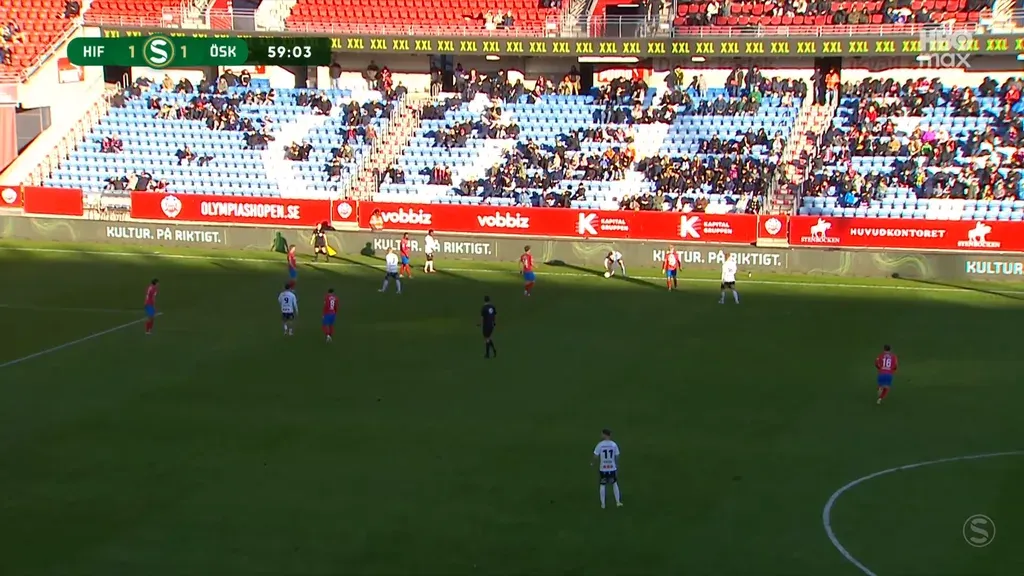
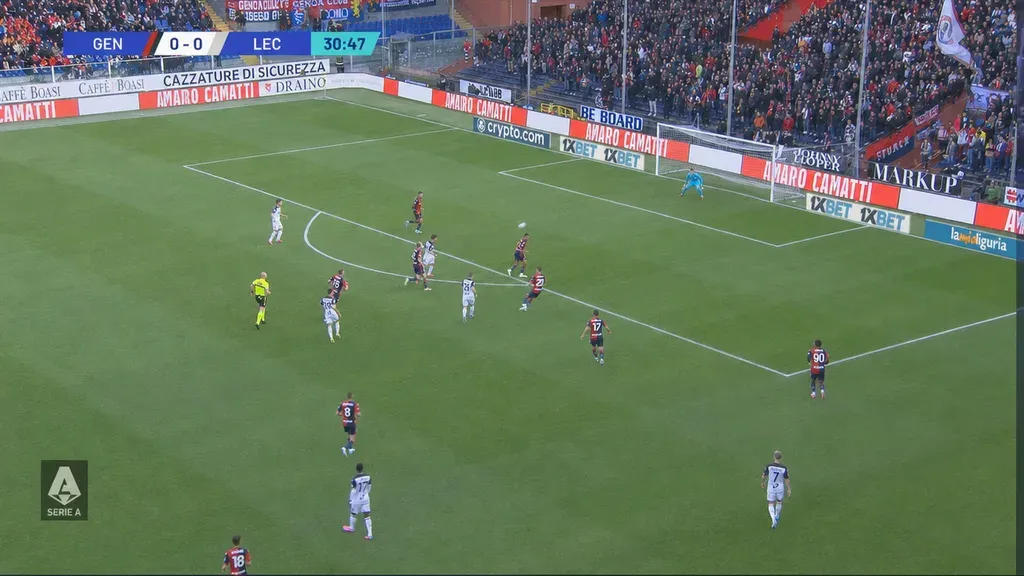
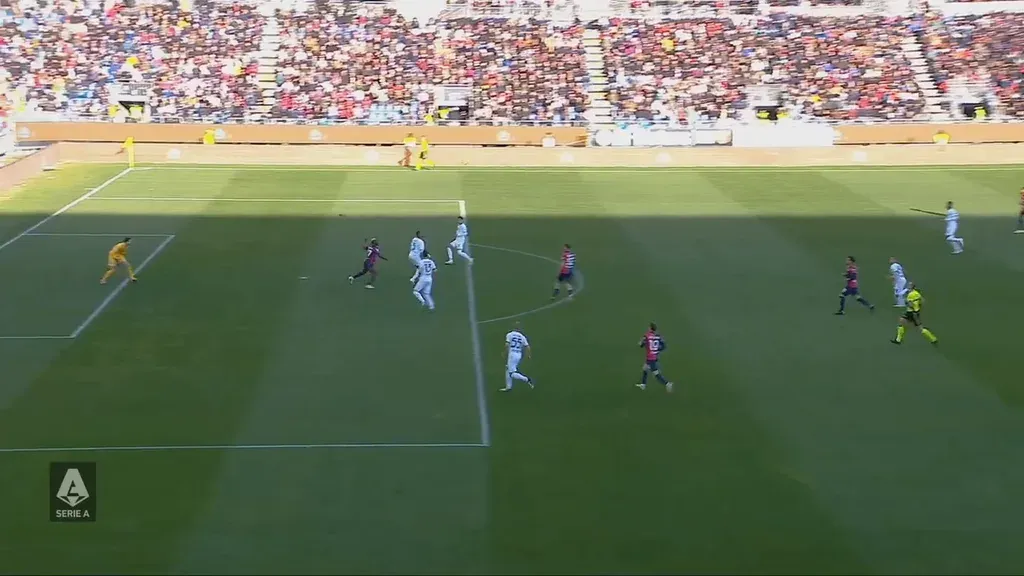
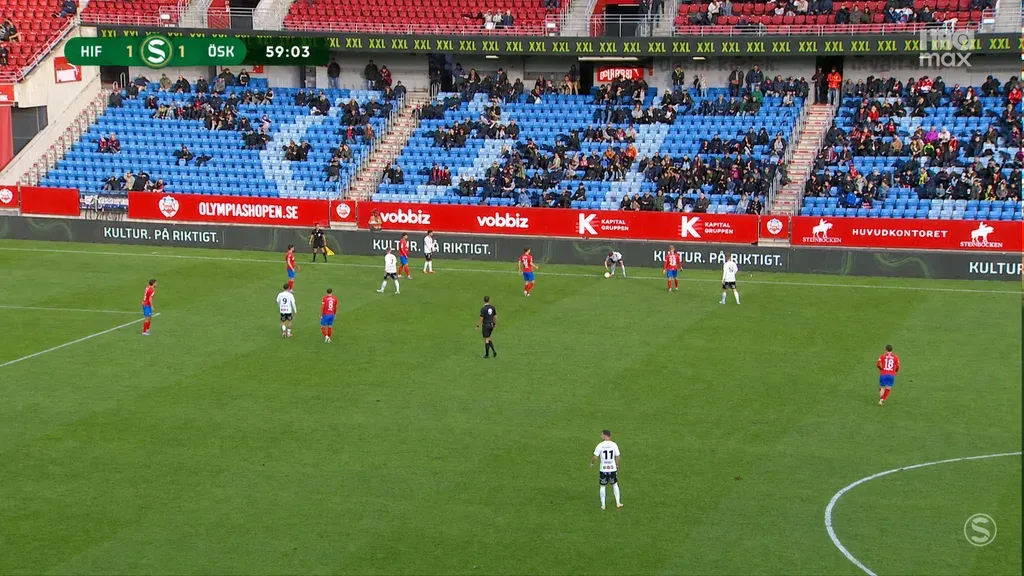
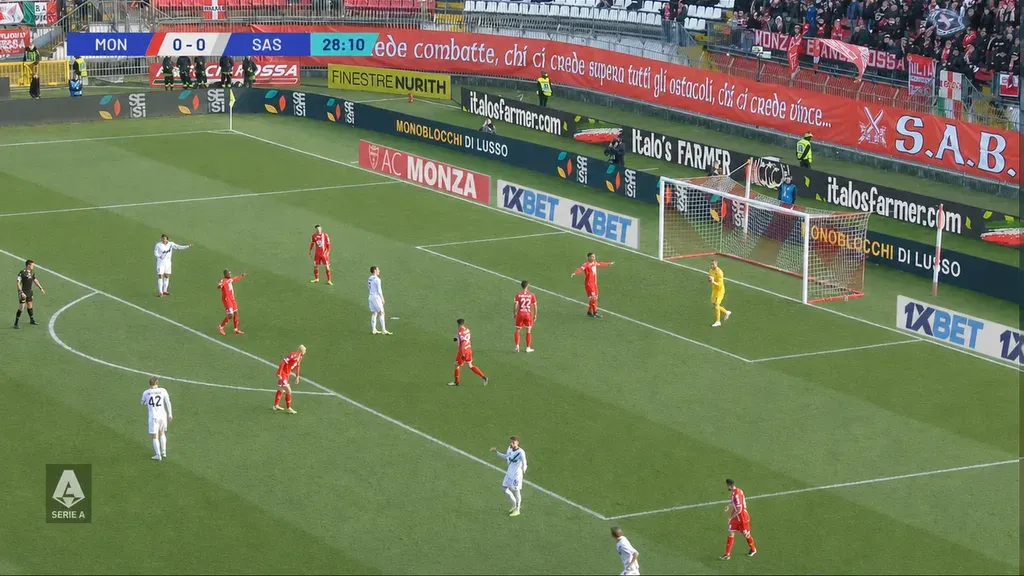
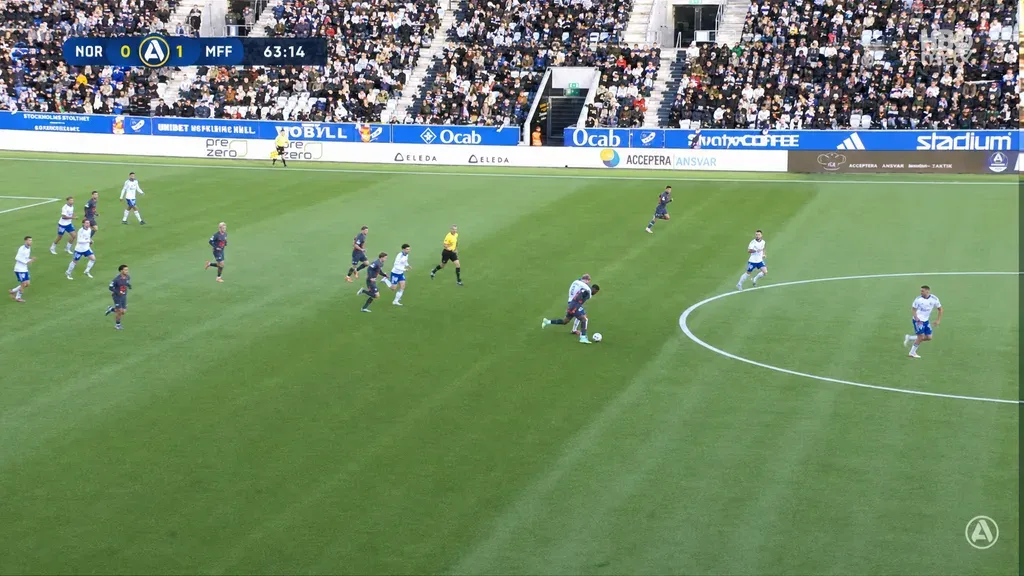
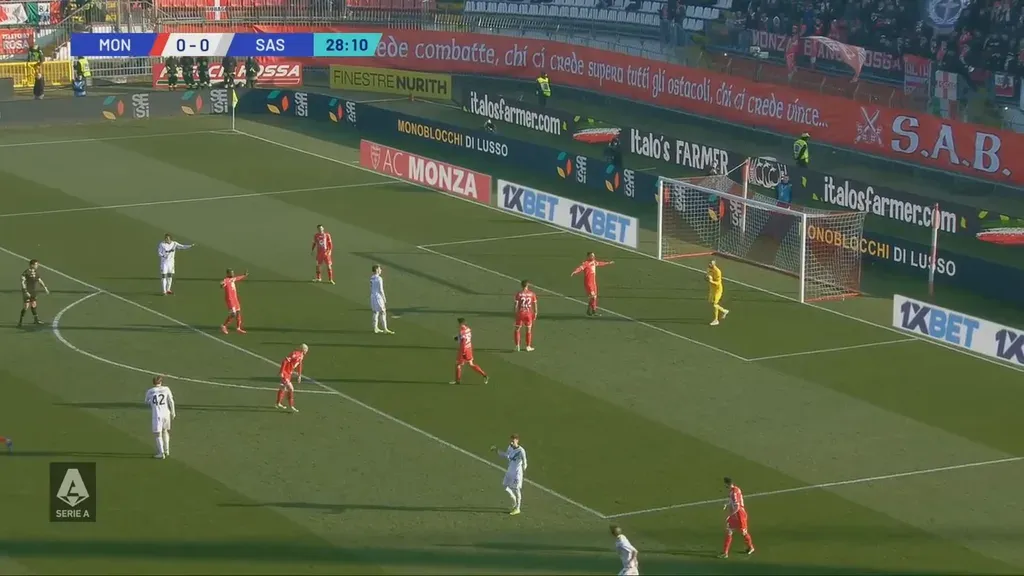
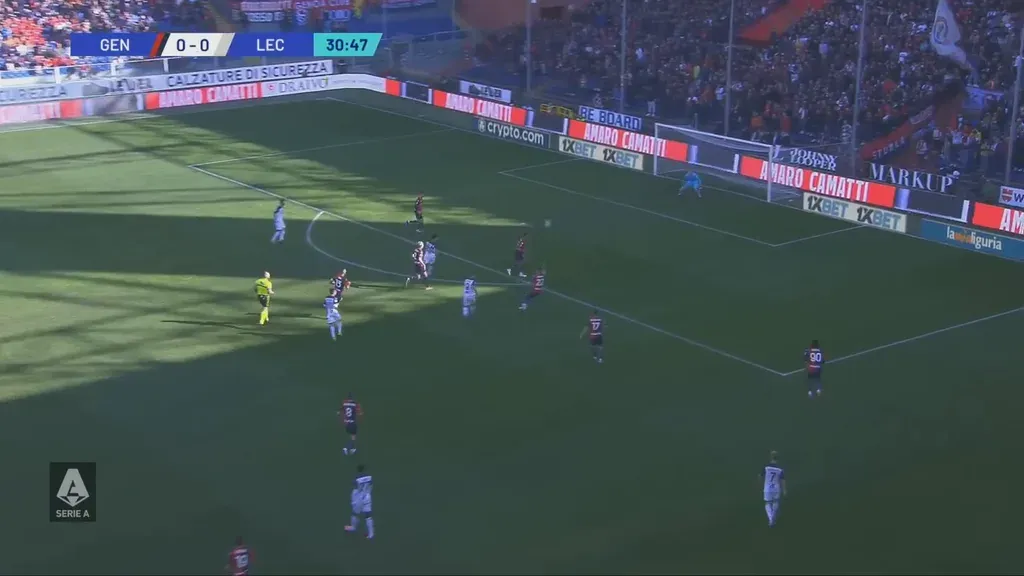
It moves through the match. It throws one stand into glare and drops the far touchline into shadow. By the second half, the line between light and dark has walked halfway across the pitch — and the camera has to hold detail on both sides of it at once. It usually can't. That dynamic-range gap — the difference between the range of brightness in the scene and the narrower range a camera, the broadcast signal and compression can carry to the viewer — is the quiet reason so much outdoor sport looks harsh, flat, or unreadable in exactly the moments that matter.

Why does outdoor sport look so harsh on TV?

Stand in a sunlit stadium and your eyes handle the scene effortlessly. They adapt locally, reading the face of a player in shadow and the bright shirt of another in full sun in the same glance. The human visual system spans an enormous range of brightness.

A broadcast chain does not. A camera sensor captures a fraction of that range; the standard-dynamic-range signal most viewers still receive carries less again; and compression — the squeeze that fits a live feed into the bitrate a network or stream can afford — spends its bits where there's contrast. A frame split hard between blown highlight and crushed shadow is the worst case for all three at once: the sensor clips, the signal can't hold the ends, and the encoder burns bandwidth on noisy, high-contrast edges. By full time, half the pitch is a detail the broadcast never really had.

Live Demo

Experience the Difference

Drag the slider to compare original and AI-enhanced footage

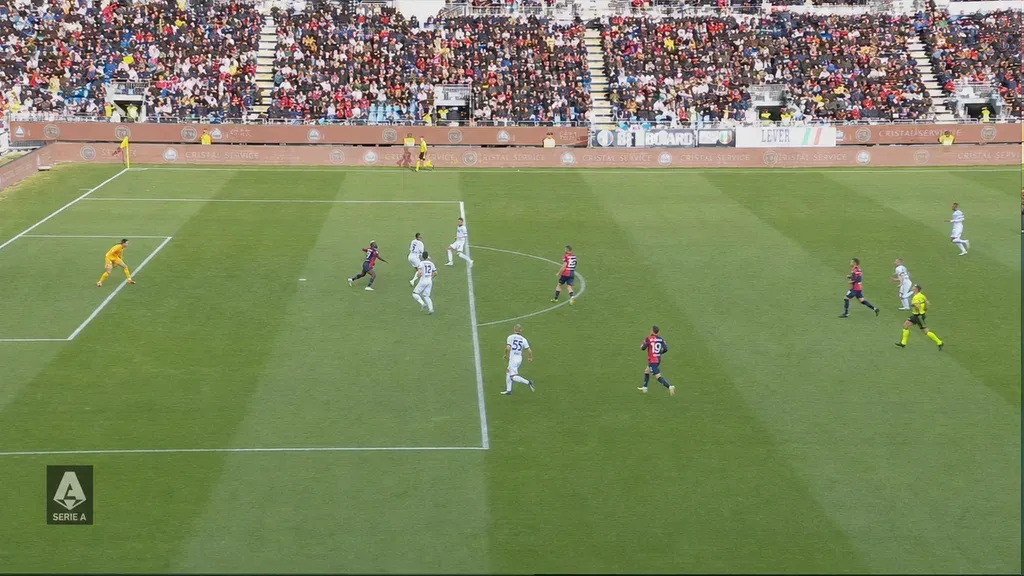
Before: Sports footage with harsh sunlight, shadows and lighting issuesAfter: AI-enhanced sports footage with balanced lighting

LivePicture.ai automatically reduces harsh sunlight and deep shadows to balance lighting — in real time.

The current fixes

How is outdoor-broadcast lighting handled today?

The industry already fights this — with tools that predate the problem being solvable at the signal level. Each helps. Each costs. And none of them touches the underlying signal.

Daytime floodlight

Switching stadium lighting on in daylight to lift the shadowed stands — a real energy cost, and a blunt instrument against a shadow line that keeps moving.

Manual shading

A vision engineer riding iris and grade camera by camera through the match — skilled labour that scales with every added angle, and never quite catches the sun.

Camera placement

Planning angles around the light — a compromise made at the schedule stage that constrains the coverage before a ball is kicked.

What changed

What does real-time AI change?

What's new isn't a better light or a better lens. It's that GPU inference has become fast enough to rebalance the picture itself — frame by frame, on the live feed, at broadcast timing — and to do it after the camera and before production, where it can help every downstream stage at once.

Placed there, a real-time layer can lift shadow detail and tame highlight glare together, on the signal, without asking anyone to move a camera, add a floodlight, or hire another pair of hands on the shading desk. Because it sits in the feed rather than the venue, it's format-native — it speaks the transports a gallery already runs on (SMPTE 2110, NDI, SDI, RTSP) — and it adds only about 100 ms of latency, built to keep pace with live timing. No new cameras. No workflow rebuild.

And a cleaner, better-balanced image isn't only easier to watch. It's easier to compress: fewer bits spent fighting harsh contrast can mean a leaner stream for the same perceived quality — the rare fix that improves the picture and the bandwidth bill in the same pass.

For the people evaluating it

How do you evaluate a real-time enhancement layer?

If you run production, buy rights, or engineer the chain, the claims worth pressing on are specific — and testable on your own footage.

  • Detail, not brightness. Does the shadow recover real texture — grass, numbers, faces — or does it just get lighter and greyer?
  • The highlight survives. Does the sunlit side keep its colour and shape while the shadow lifts, or does one end pay for the other?
  • Live, not lookahead. Does it hold up frame to frame on a moving feed at broadcast latency — not just on a still?
  • It fits your chain. Does it drop into your existing transport and timing without a rebuild, or is it a new island to run?
  • The bitrate story is measured. Ask to see the encode, not just the eye test.

This is an early field, and the honest test is footage, not adjectives. The clearest way to judge whether the signal-level fix holds up is to watch it happen on a live outdoor frame — and, better, on yours.See the before / after.

FAQ

Outdoor-broadcast lighting, answered

Why does outdoor sport look harsh or washed out on TV?
Because the sun creates a range of brightness — bright highlights and deep shadows — wider than a camera sensor, the broadcast signal and video compression can carry at the same time. Detail is lost at one or both ends, so players in shadow go dark while sunlit areas blow out.
What is the dynamic-range gap in broadcasting?
The dynamic-range gap is the difference between the range of brightness in a real scene and the narrower range a camera, the standard broadcast signal and compression can reproduce. Outdoor sport in mixed sun and shadow is a worst case for it.
Can broadcast lighting problems be fixed without new cameras or floodlights?
Yes. A real-time AI processing layer placed between the camera feed and production can rebalance highlights and shadows on the signal itself — with no new cameras, lenses or floodlights, and no workflow rebuild.
How much latency does real-time AI video enhancement add?
About 100 ms, built to keep pace with live broadcast timing.
Does a better-balanced picture affect streaming bandwidth?
It can. A cleaner, lower-contrast image is easier to compress, so fewer bits are spent fighting harsh contrast — potentially a leaner stream for the same perceived quality.
Get in Touch

Interested in LivePictureAI?

Book a call, or send us a message — whichever suits you.

30 minutes Teams link Instant confirmation

Grab 30 minutes with the team — pick a time that suits you. You'll get instant confirmation and a Microsoft Teams link.

See available times

Prefer to write? instead.